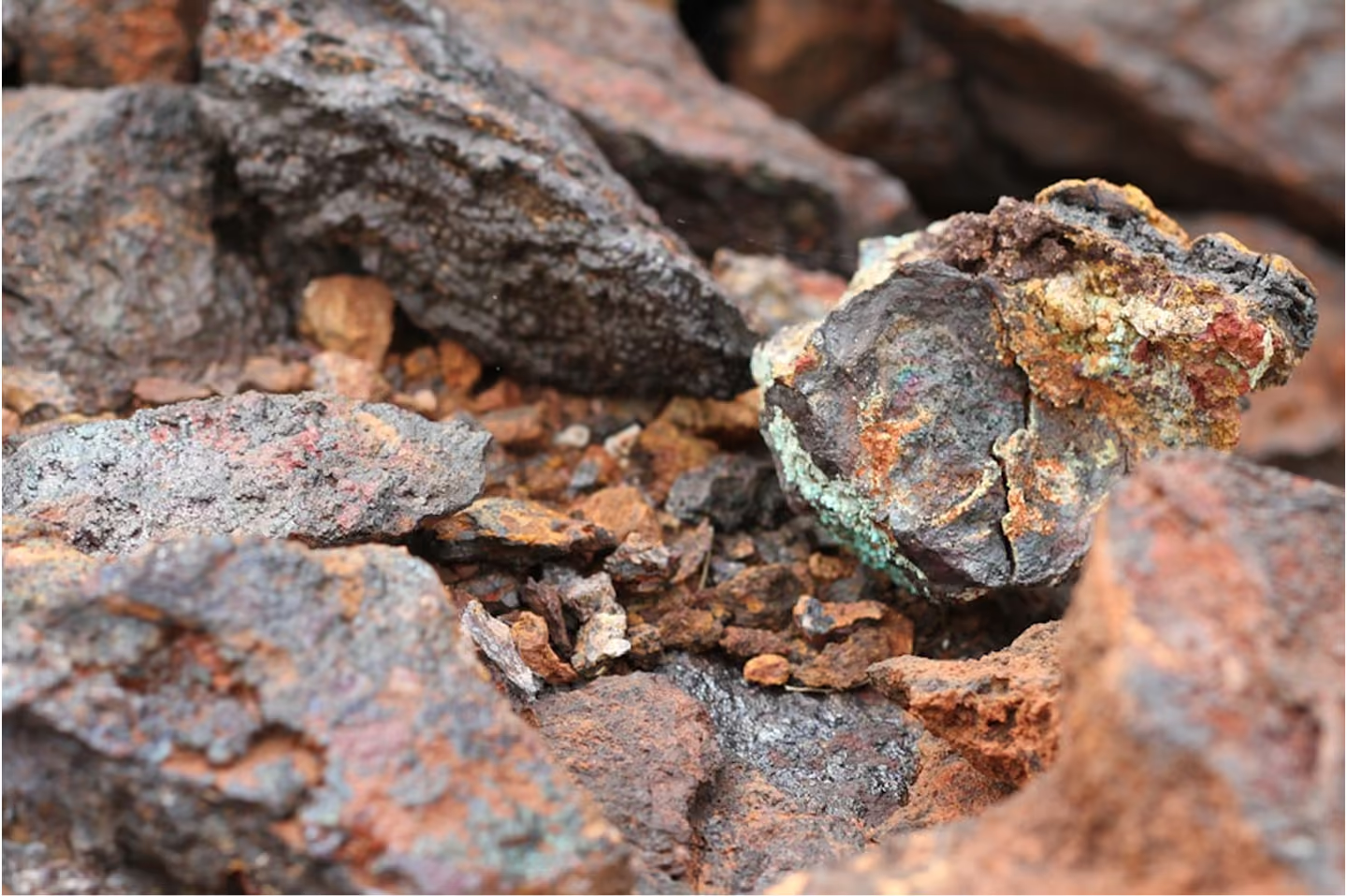
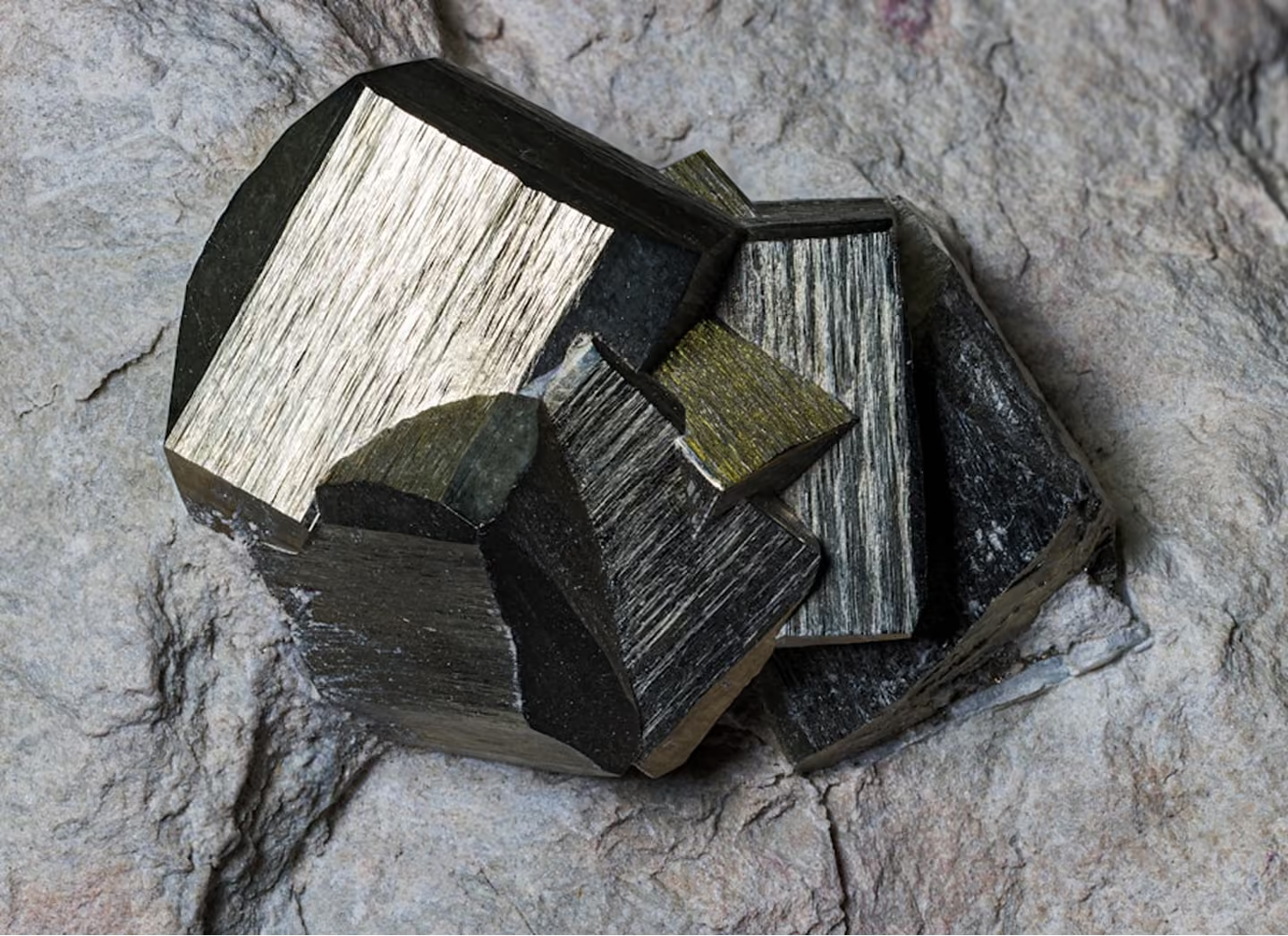
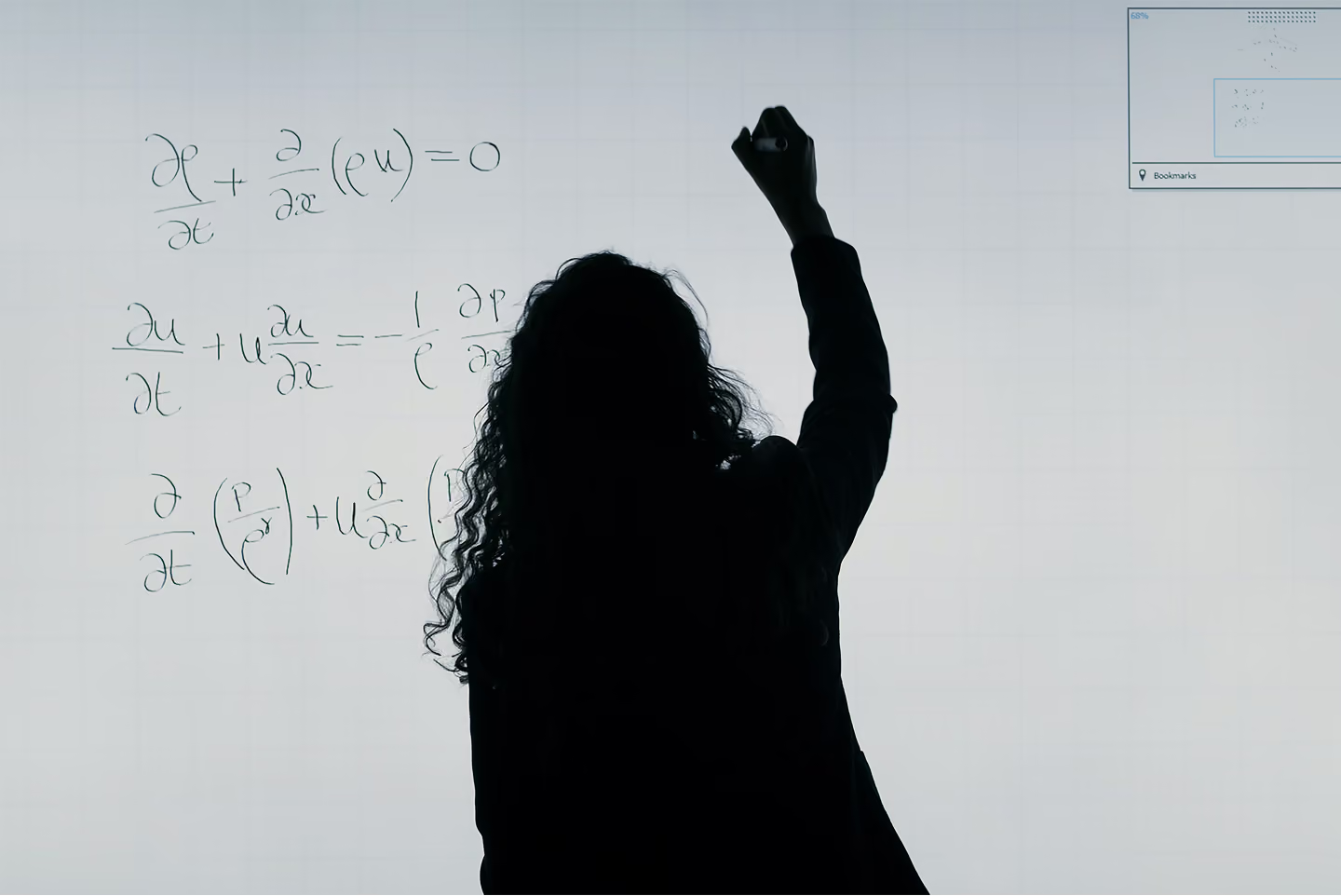
AI exploration raised record funding this year. The harder question is what it finds.
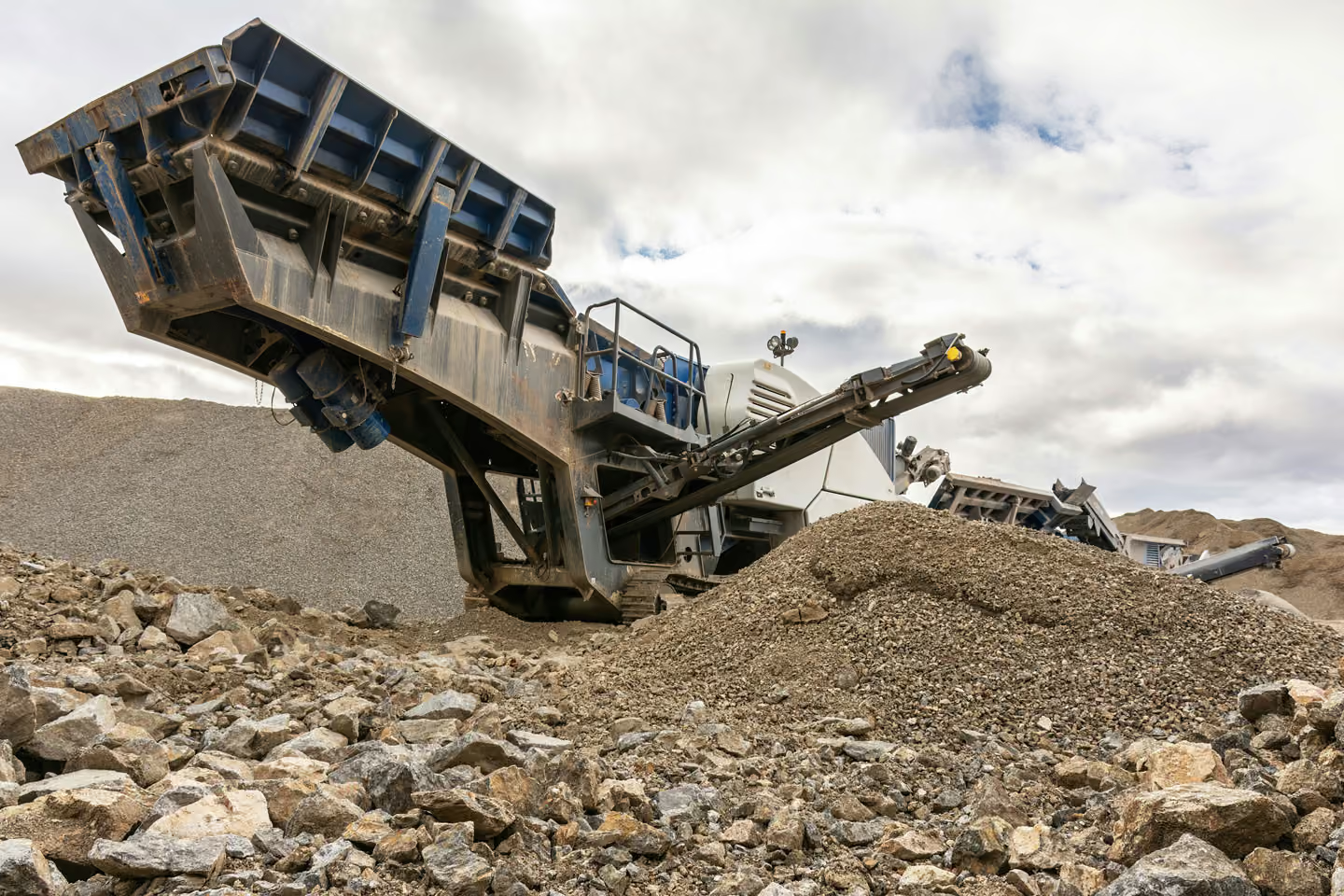
Funding proves belief, not deposits
A large round signals conviction. It does not signal copper in the ground. The two are easy to conflate and expensive to confuse.
Mineral exploration now needs more than ten times the capital it did a generation ago to find an ore body of the same size. The shallow, obvious deposits are gone. What remains sits deeper, under cover, harder to read. AI changes the odds of finding it. It does not remove the risk.
This matters for anyone deploying capital into the sector. A funding announcement tells you the market believes a method works. It tells you nothing about whether the next hole hits.
Certainty sells rounds. Probability finds mines.
The dominant story in AI exploration is one of certainty. Point the model at the planet, and it shows you where to dig. It is a clean narrative and a poor description of geology.
The subsurface is not a map waiting to be read. It is a probability space, built from data that is sparse, noisy and incomplete. A model that hides that uncertainty is not more advanced. It is less honest.
So the useful question is not "where is the deposit". It is "how confident are we, and on what evidence". Certainty wins the headline. Probability wins the drill programme.
The question to ask any AI explorer next
The capital is committed. The test now is what it returns: confirmed discoveries, drilled and verified, not targets generated. Over the next few years, the distance between funding raised and ore proven will separate the methods that work from the ones that marketed well.
So put the same question to every AI explorer, including us. Show the prediction. Show the confidence behind it. Show the holes that confirmed it or killed it.
A model is only as good as the discoveries it stands behind. We build for that test. Probabilistic models, honest about what they know and what they don't, are how exploration capital finds its return.